Last Supper Guided Visits
Buy ticketsGuided Visits to the Last Supper
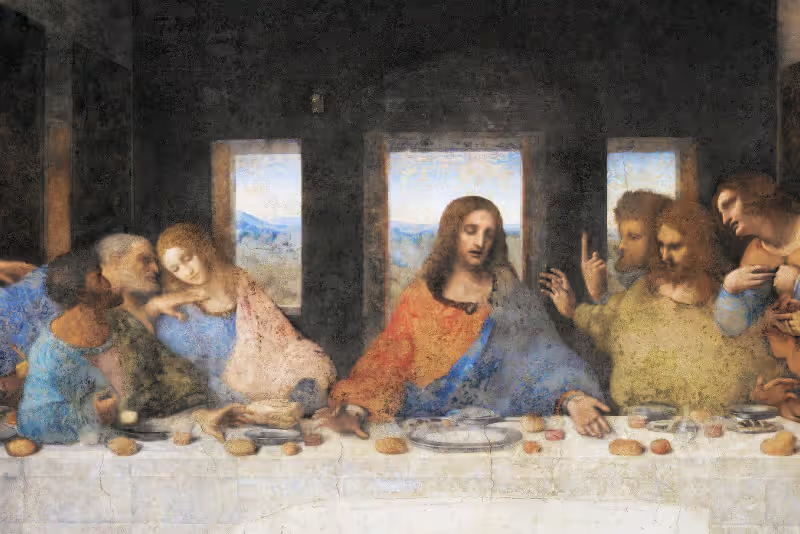
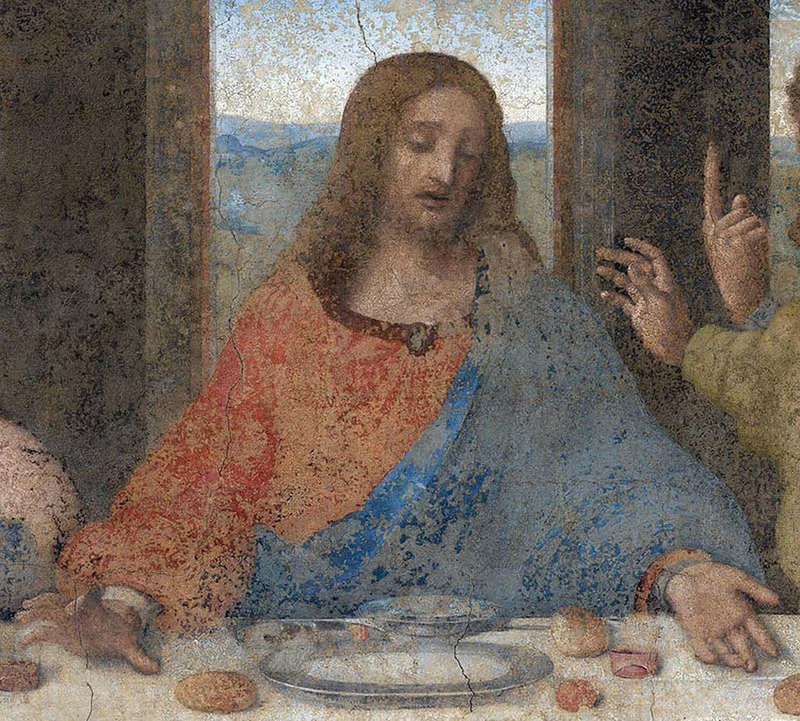
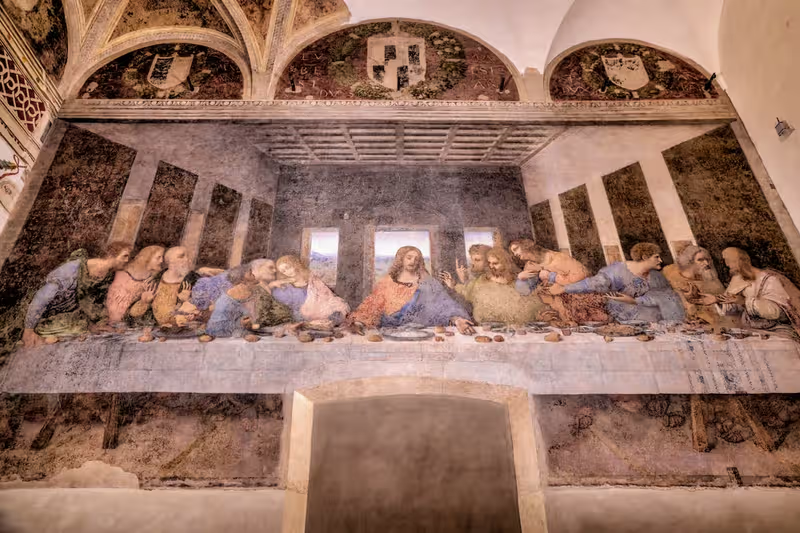
A guided tour of Leonardo da Vinci's masterpiece "The Last Supper" in Milan offers an unparalleled opportunity to appreciate one of the world's most significant artistic achievements. Located in the refectory of the Convent of Santa Maria delle Grazie, this fragile 15th-century mural benefits tremendously from expert interpretation. Professional guides provide crucial historical context about Leonardo's innovative techniques, the symbolism embedded within the composition, and the painstaking restoration efforts that have preserved this cultural treasure. Visitors gain insights into the painting's revolutionary perspective, the dramatic psychological portrayals of the apostles, and Leonardo's mysterious working methods that would have remained hidden to the untrained eye.
Tickets cost €25 for full admission for the guided visit (with discounts available for EU citizens aged 18-25), plus an additional €3.50 reservation fee. Tours last approximately 15 minutes, with groups entering at precisely scheduled intervals throughout operating hours (Tuesday-Sunday, 8:15 AM to 7:00 PM, closed Mondays). Due to strict preservation protocols limiting daily visitors, advance booking is essential—often months ahead, particularly during peak tourist seasons.
Available Tickets
- Skip-the-line access
- Professional guide
- Free cancellation
- Skip-the-line access to the Last Supper
- Guided tour of Santa Maria delle Grazie
- Small group option
- Non-refundable
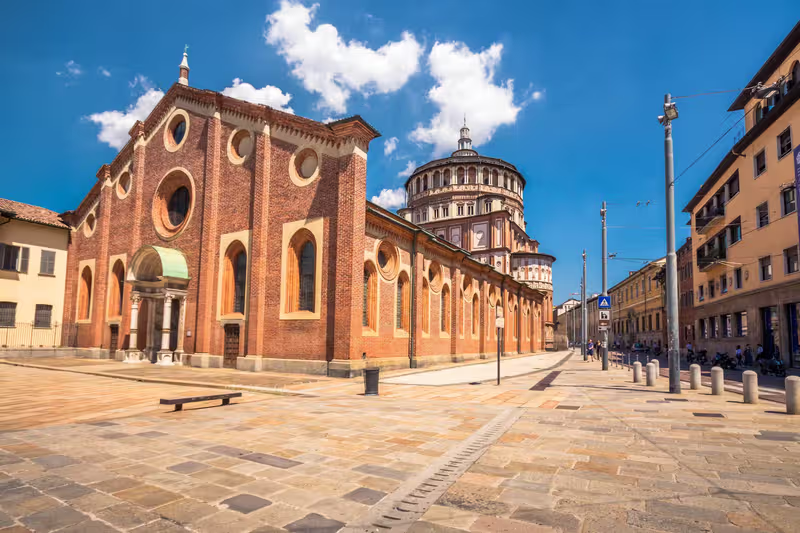
- Skip-the-line access
- Professional guide, English or Italian
- Non-refundable
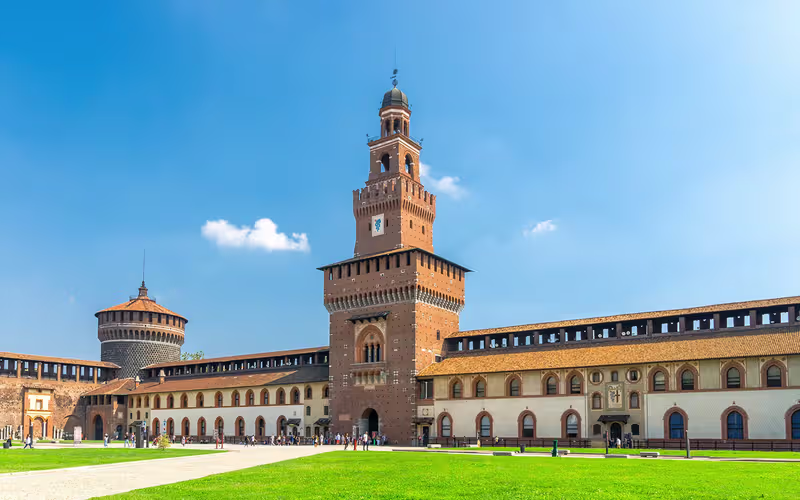
- Milan city center walking tour
- Skip-the-line access to the Last Supper
- Professional guide in English
- Free cancellation
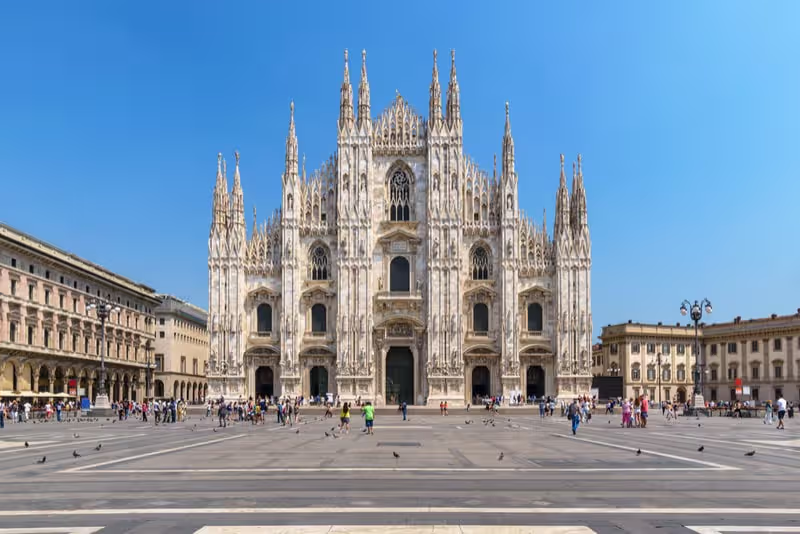
- City tour plus skip-the-line access to Last Supper and Duomo
- Professional guide
- Free cancellation
Last Supper Guided Visits
.avif)
Plan your visit to the Last Supper
Opening hours
Opening hours
The Last Supper opening hours are the same throughout the year, Tuesday to Sunday.
Museum: 8:15 AM to 7:00 PM
Ticket office: 8:00 AM to 6:45 PM
The last entrance to the Last Supper is 15 minutes before closing time.
Visit duration
The visit to the Last Supper is timed for preservation, so it will last 15 minutes.
Location and access
Location
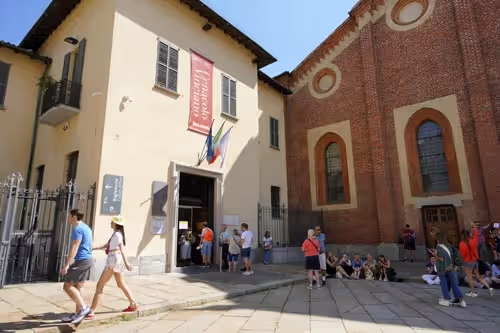
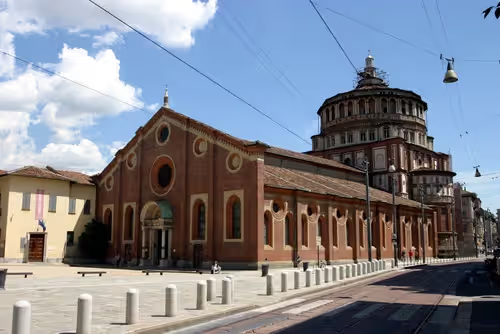
The Last Supper is located inside Santa Maria delle Grazie church, in Piazza di Santa Maria delle Grazie, 2, 20123 Milano.
Entrance
The main entrance to the Museum is the one mentioned above. But before entering, you have to go through the ticketing kiosk, approximately 10 meters to the left of the main entrance, to have your IDs checked and to leave any luggage or big bags you might have.
Food and services
Food
While the Last Supper is painted in a refectory, only painted figures are allowed to eat inside! But the Museum is in the center of Milan, so you will find plenty of opportunities to taste great food nearby.
Services
There are lockers to leave large bags and luggage, which are forbidden inside, as well as bathrooms, a bookshop, and multilingual leaflets to provide information to visitors.
Nearby attractions
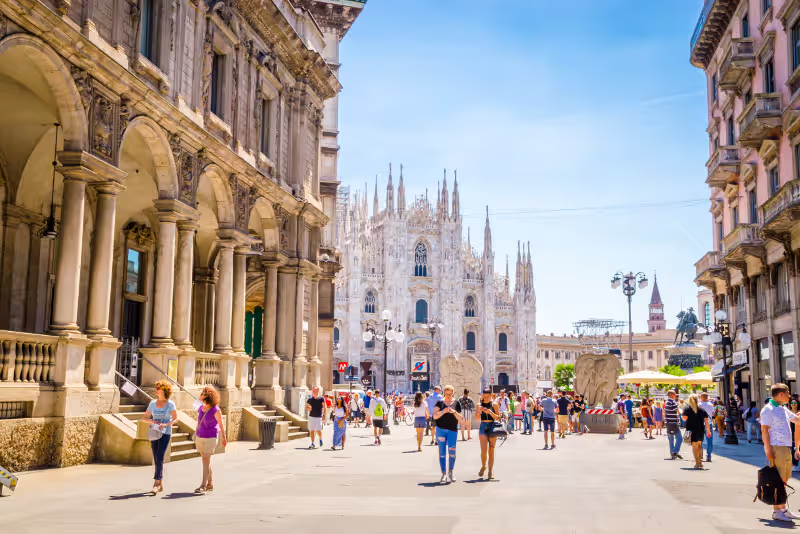
The Last Supper Museum is near the city center of Milan, with many attractions at walking distance, like the Sforza Castle and the Basilica di Sant'Ambrogio. If you're interested in a comprehensive list, check out our article about things to do in Milan!
If you want to dive deeper in the artistic side of things, you can opt for a visit to the Duomo or a tour of La Scala theater.
Whereas, if you want to find out where the locals spend their evenings, a Navigli Canals tour is definitely the right choice!
But the nature outside the city is not to be overlooked! Take a day trip to Lake Como and find out for yourself why many of the rich and famous choose it as a place of vacation.
But the nature outside the city is not to be overlooked! Take a day trip to Lake Como and find out for yourself why many of the rich and famous choose it as a place of vacation.
FAQs and tips
How far in advance should you book tickets to see the Last Supper?
You should book your tickets about three months in advance to ensure availability. This timing is especially crucial during peak tourist seasons.
Where can you book guided visits to the Last Supper on-line?
Guided visits can be booked on the official website or from trusted third-party operators like in the list above.
How many kinds of guided visits are available for the Last Supper?
You can find regular guided visits, Masterclass visits or combo visits (which include other monuments as well). Check our section to find out more.
How long does a guided visit to the Last Supper last?
For a regular guided visit you should set aside about 60 minutes overall, and a Masterclass visit should take around 75 minutes. Combo visits last more but they're more varied, depending on the monuments visited.
About the Last Supper
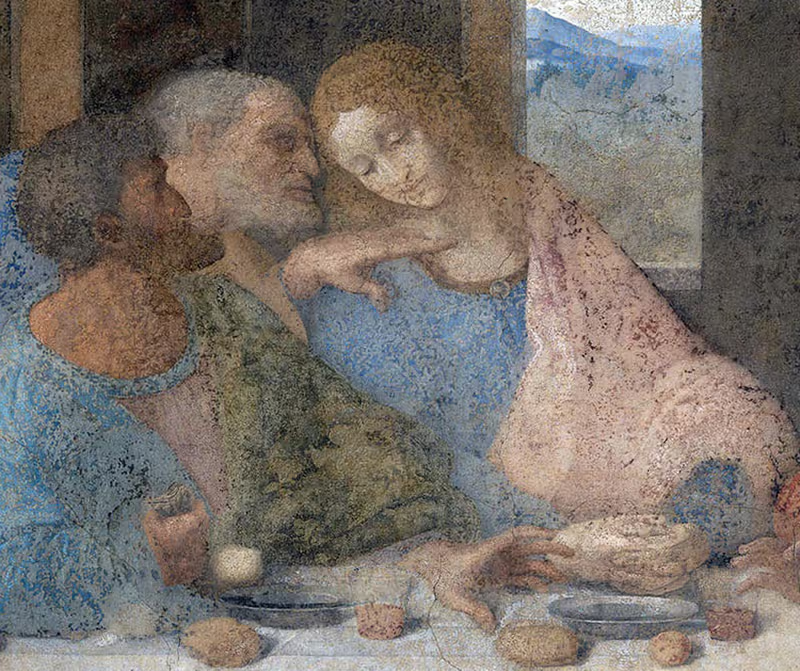
Leonardo da Vinci painted the Last Supper between 1495 and 1498. Ludovico Sforza, Duke of Milan, commissioned this work for the refectory of the Convent of Santa Maria delle Grazie. The Duke aimed to enhance his family's reputation and demonstrate his devotion.Leonardo's innovative approach combined oil and tempera on drywall, which diverged from traditional fresco techniques. This choice allowed for greater detail but made the painting vulnerable to deterioration over time. Despite these challenges, Leonardo's skill in depicting emotion and narrative detail in this work remains unparalleled.
The Last Supper Highlights
The fresco
The Last Supper holds profound significance in the religious and cultural milieu of the 15th century. During this period, the Renaissance was in full bloom, characterized by a renewed interest in classical antiquity, humanism, and artistic innovation.Leonardo’s depiction of Christ’s final meal with his apostles captures a pivotal biblical moment, emphasizing human emotions and betraying the dramatic tension of the event. This painting resonated deeply with contemporary viewers, reflecting Renaissance ideals of realism and individual expression.
Located in the refectory of the Convent of Santa Maria delle Grazie in Milan, the Last Supper was intended to enhance the spiritual ambience of the dining hall. The convent was an important religious establishment, making it a fitting backdrop for such a significant work.